Professional assistance in selecting a program
Leave your phone number, we will call you back soon, answer all your questions and offer an individual program that is suitable for you and your child.


Ages: 11–16 years.
Dates, 2026:
29 June–13 July, 13–27 July, 20 July–3 August (2 weeks),
29 June–20 July, 13 July–3 August (3 weeks),
29 June–27 July (4 weeks).
Canford Summer School is ideal for 11-16 year olds who want to study academic subjects and get involved in a range of activities. Canford School has been named Boarding School of the Year at the Tatler School Awards. The school is located near Wimborne Minster in Dorset, southwest England. The school is within easy reach of Bournemouth, Southampton and Portsmouth – the largest southern cities.
The school is set in a very picturesque location, with historic campus buildings surrounded by vast green lawns and woodland. This is the perfect setting for students to spend unforgettable summer holidays.
During the summer, the school offers 5 exciting programmes:
Pupils live and study on the Canford School campus. Situated in beautiful grounds, Canford School sits on 100 hectares of grounds. There are 10 boarding houses and impressive facilities, including a theatre, music school, art studios, tennis courts, netball courts and manicured football and cricket pitches. The Sports Centre includes a double-court indoor sports hall, a dance studio and a 25-metre, six-lane, heated indoor swimming pool.
Pupils will have lunch each day in the large school canteen, where they will be mesmerised by the impressive windows and gallery – it is a truly inspiring space.
The program includes 15 hours of classes per week.
The school offers 4 programs:
The course is designed to help build confidence in your speaking, listening, reading and writing abilities, as well as give you the opportunity to immerse yourself in the English language through interactive activities and cultural experiences.
The minimum English level to participate in the program is A2+ (Beginner and above).
Module 1: Developing Confidence in Listening and Speaking
In this module, students will focus on improving their speaking and listening skills. Through conversations, role plays and interactive games, they will practice everyday English, learn new vocabulary and feel more comfortable communicating in a variety of situations. Whether they are ordering food in a restaurant or chatting with friends, this module will help them speak English more naturally and understand spoken English with greater ease.
Module 2: Strengthening Reading and Writing Skills
This module focuses on developing reading and writing skills. Children will learn a variety oftexts, from short stories to news articles, to improve their reading comprehension and expand their vocabulary. In terms of writing, they will practise constructing sentences, paragraphs and short essays, focusing on clear wording and correct grammar. This module is designed to help students become more confident and capable readers and writers in English.
Module 3: Exploring English Culture and Communication
In the final module, children will immerse themselves in English culture and learn how the language is used in different contexts. They will explore British traditions, popular culture and everyday life through activities, projects and discussions. This module will not only improve their language skills, but will also give them a deeper understanding of the cultural nuances that make the English language unique. By the end of the module, students will be able to communicate more effectively in both formal and informal settings.
Projects are an important part of the learning process. Students create an engaging and creative presentation that combines their improved English language skills with their personal interests. This could be anything from writing and performing a short skit, creating a vlog, designing a digital magazine, or even holding a debate on a topic the student is passionate about. The project will culminate in a presentation in which students will demonstrate their English language skills and creativity to their peers and teachers.
By using what they have learned in group projects, students will increase their fluency and confidence in using English, which will help them perform better in school and later at university.
With a deeper understanding of the English language, students will be able to:
Students will be introduced to the fundamental principles of art, experiment with different artistic media and express their unique vision. Learn about the cultural influence of art, create a portfolio and interact with expert artists.
The minimum English level required to participate in the program is B1+ (Intermediate and above).
Module 1: Introduction to Drawing and Painting
In this module, students will be introduced to the world of drawing and painting. They will learn the basics of sketching, shading and color theory, and experiment with different media such as pencils, watercolors and acrylics. Through hands-on activities and creative projects, they will begin to develop their own style and gain confidence in their artistic abilities.
Module 2: Introduction to 3D Art and Sculpture
This module introduces children to the exciting world of 3D art and sculpture. Children will explore a variety of materials such as clay, wire and found objects to create their own sculptures. They will also learn about the principles of form, texture and space and how to bring their ideas to life in three dimensions. This hands-on module will encourage creative thinking and new ways to express their ideas.
Module 3: Introduction to Digital Art
In the final module, children will delve into the world of digital art. They will learn how to use essential digital tools and software to create their own works of art. From digital painting to simple graphic design, students will explore how technology can enhance their creativity. This module is ideal for young artists interested in exploring new media and combining traditional techniques with digital innovation.
An important part of the learning process is creating their own project. Students will be tasked with creating a series of artworks inspired by the stunning architecture and landscapes around the school. This assignment offers an opportunity to explore new artistic techniques while celebrating the unique charm of the surrounding environment.
Over the course of the week, students will experiment with sketching, painting and sculpture, drawing inspiration from Canford’s historic buildings and picturesque gardens. The project will culminate in a presentation where they will show off their collection and talk about the creative process behind each piece. Not only will this project hone artistic skills, it will also help peers understand how art can convey the essence of a place, encouraging them to see their surroundings through the eyes of an artist.
The course combines core elements of business and leadership, offering a comprehensive introduction to both worlds. FeaturingThrough engaging projects and hands-on learning, students will learn what it takes to be a successful entrepreneur and effective leader, and will gain the skills that will enable them to achieve significant success in any future career.
The minimum English level required to participate in the program is B1+ (Intermediate and above).
The course will introduce key concepts of entrepreneurship, such as developing innovative ideas, writing a compelling proposal, and marketing a product. Students will also explore the qualities of great leaders throughout history and learn to apply these traits to their own leadership style. Students will not only develop a deeper understanding of business, but will also have the tools to lead a team to success.
Module 1: Introduction to Entrepreneurship
Students will learn how ideas are transformed into successful businesses, what makes a great business idea, and will begin to think about their own business concepts. Through creative activities and team projects, they will understand the basics of starting and running a business.
Module 2: Marketing and Branding Basics
This module introduces children to the exciting world of marketing and branding. Children will learn how companies attract customers, create strong brands, and communicate their messages effectively. Through interactive activities, students will practice creating their own marketing campaigns and understand what makes a brand stand out.
Module 3: Understanding Money and Finance
Learning the basics of finance. Children will learn how to manage money, make smart financial decisions, and how businesses earn and spend money. Through simple, fun activities, they will begin to understand how finance plays an important role in every business and why it is important for future leaders to understand it.
Projects are an important part of learning. In a fun project, “Young Learner” children will demonstrate their entrepreneurial talents by inventing a new product. Once they have created a working prototype, they will come up with a catchy name and logo that will appeal to their target audience. But that’s just the beginning! They will also create a 30-second commercial, develop promotional materials, and pitch their product and brand to a panel of judges. To give their commercial an extra edge, they will perform it live on air.
In the process, students will not only develop key business skills, but also demonstrate leadership skills by managing a team, making decisions under pressure, and demonstrating their vision.
The minimum English level required to participate in the programme is B1+ (Intermediate and above).
The course will enhance your understanding of the natural world and equip you with the key skills needed for a future in research and innovation. Children will be immersed in hands-on experiments and cutting-edge scientific investigations, gaining a deep understanding of key scientific principles. They will engage in discussions about the latest scientific discoveries and the ethical implications of research, sharpening their analytical thinking and broadening their scientific worldview.
But it’s not just about experiments and theories; we emphasize the importance of collaborative problem solving, critical thinking and innovation. Children will develop key skills such as teamwork, communication and perseverance, which are essential to overcoming the challenges associated with scientific investigations. They will also participate in advanced lab sessions where they will learn to design experiments, analyze data and present their results with confidence.
Interactive sessions led by experienced scientists and teachers will provide insight into the world of science.
Module 1: Introduction to the Living World
Students will be introduced to the amazing diversity of life on Earth. Learn about different ecosystems, basic cell biology, and how living things interact with their environment. Through simple experiments and observations, they will understand the components of life and how they affect the world around us.
Module 2: Exploring Matter and Energy
This module introduces the basic principles of chemistry and physics. Students will learn what matter is made of, how substances change, and the different forms of energy. Fun and safe experiments will help them see these principles in action, from chemical reactions to learning how energy is used in everyday life.
Module 3: Wonders of Space and Earth
Children will travel through space and time. They will learn about the solar system, the structure of the Earth, and the forces that shape our planet. Through engaging activities, they will explore the mysteries of space, learn the basics of geology, and discover how science helps us understand the universe.
An important part of their studies is a research project dedicated to a topic that intrigues the student.topic. This project will provide an opportunity to dive deep into a chosen field, apply scientific methods, and present your findings to peers and faculty. It’s a chance to demonstrate your analytical skills, creativity, and understanding of complex scientific principles.
Example of a past project: Formula 1 Engineering Challenge.
Together with a team of engineers, the student will be responsible for designing, analyzing, and building a Formula 1 car of the future according to a set of specifications. Once built, students will test its aerodynamics to determine the most efficient car, tweaking it to go as fast as possible. Then comes the moment of truth - the race! Pupils will experience the thrill of watching their car speed around the race track, competing against other groups in their class in front of the whole school.
A two-week programme for students who want to understand the essence of power, politics and influence in an international context. They will learn how governments work, how global organisations respond to crises and how leaders gain trust and authority.
Along the way, students will develop practical skills in debating, negotiating, and decision-making, preparing them to articulate their ideas clearly and lead with confidence. Leadership is woven throughout the programme. Students will practise the skills that make leaders effective: communication, negotiation, listening, and persuasion.
Group projects reflect real-life situations in which compromise and cooperation are important. The programme is taught by teachers with experience in politics and international relations. By the end of the programme, students will not only have broadened their understanding of how the world works, but will also have gained confidence in their ability to contribute to its development.
Module 1: Politics and Governance
This module introduces the basics of political systems and ways of governing society. Children will learn how parliaments, presidents and prime ministers make decisions and how these decisions affect people's lives. Using real-world examples, they will analyse government structures, compare political ideologies, and discuss the effectiveness of different approaches to leadership. By the end of the module, students will have a clear understanding of how power works and how individuals can influence political change.
Module 2: International Relations
Here, students will immerse themselves in the world of diplomacy and global affairs. This module examines how countries cooperate with each other, the issues they face, and why cooperation is often the most difficult but also the most important path to take. Students will examine current issues such as climate change, security and migration, and learn about the role of organisations such as the UN and NATO. Lessons include analysing treaties, simulating negotiations and evaluating leaders' responses to global crises. This is a chance to see how interconnected the world is and how decisions made in one place can have repercussions across the globe.
Module 3: Leadership in Practice
Leadership is not just theory; it is what a person does when people look to them for guidance. In this module, students are placed in practical situations where they will need to lead others, communicate clearly, and make decisions under pressure. Through group assignments, debates and public speaking exercises, they will discover different leadership styles and analyse their strengths. The aim of the module is to help children confidently step into a leadership role, show empathy and bring people together around a common goal.
Accommodation is in the school residence, boys and girls live separately. The houses are very well maintained and consist of comfortable single, double and small dormitory rooms with shared bathrooms. Each room has a desk and a small wardrobe to hang your clothes in. The houses have spacious common rooms and living rooms where you can relax, watch a film, play pool or ping pong and feel right at home.
Pupils can look forward to a fun and varied entertainment programme with a range of exciting activities, highlights and exciting excursions. These activities help students learn new skills, make friends, build confidence and create unforgettable memories.
Each week, students choose from a range of activities. The multi-activity programme offers a wide range of activities, including popular sports such as volleyball, badminton and dodgeball, as well as creative pursuits such as art and drama.
The two-week course includes three excursions to famous UK cities and popular holiday destinations. A dedicated team of staff accompanies students and plans activities for them to ensure they get the most out of their trip.
With Canford's superb south coast location, the excursions include day trips to the beach, as well as adventures in famous cities such as Bath and Portsmouth. And of course, a trip to London. As well as visiting tourist attractions, pupils will have the opportunity to go shopping and, with parental consent, explore the city independently in small groups.
Example excursions include: London Eye, Portsmouth Historic Dockyard, Roman Baths, Marvell Zoo, Bournemouth Beach and Thorpe Park.
Pupils will also be able to enjoy an exciting evening at Splashdown Water Park! With 13 impressive indoor and outdoor rides, it's sure to be an unforgettable experience.
7:15am - Wake up
8:00am - 8:20am - School assembly
8:20am - 9:00am - Breakfast
9:00am - 10:30am - Lesson 1
10:30–11:00 – Break
11:00–12:30 – Lesson 2: Creating Projects
12:30–13:30 – Lunch
13:30 – 15:00 – Activities
15:00–15:30 – Break
15:30–17:00 – Activities
17:00–18:45 – Free Time
18:45–19:30 – Dinner
19:30–21:00 – School activities
21:00–22:00 – Rest at home
22:00 – Lights out
Friday and Monday – full day excursion.
General English:
2 weeks - £3,750
3 weeks - £5,625
4 weeks - £7,500
Other programmes:
2 weeks - £4,250
4 weeks - £8,500
Included in the price
Additional charge


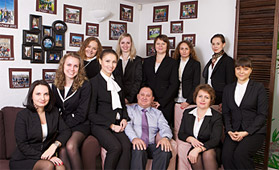
Expert assistance in selecting the right schools for your child in the UK, Switzerland, which have been our main specialization since 1996.
We also help you enter schools where teaching is conducted in English: in the United Arab Emirates, Spain, Austria, Thailand, Canada, and France.
Full support in the admission procedure: preparation for an interview, visits to selected schools accompanied by a Paradise employee.
Assistance in applying to universities in the UK, Switzerland, Canada: writing motivation letters, creating a package of documents, creating the right case for applying for a visa (to avoid rejection).
Leave your phone number, we will call you back soon, answer all your questions and offer an individual program that is suitable for you and your child.