Professional assistance in selecting a program
Leave your phone number, we will call you back soon, answer all your questions and offer an individual program that is suitable for you and your child.


Ages: 15-17 years.
Dates, 2026:
6–20 July, 20 July – 3 August, 3–17 August (for 2 weeks),
6 July – 3 August, 20 July – 17 August (for 4 weeks).
The Oxford College Summer School is ideal for 15-17 year olds who want to study a specific course that they might choose to take at university. It offers students a valuable pre-university experience. This is a course for the most ambitious students who want to combine their subject study with professional experience, developing skills that will help them in their future career.
The course takes place at the University of Oxford, on the campus of one of the colleges. Students will be studying at the same university as Prime Ministers and Nobel Prize winners!
Coming to Oxford is like entering a world where knowledge, history and culture come alive. With its renowned academic reputation and welcoming atmosphere, it is the perfect place for students with a thirst for knowledge who want to develop in ways they never imagined. The Oxford Summer School offers a unique opportunity to immerse yourself in this inspiring environment, meet other like-minded people from around the world and gain an unforgettable experience that will shape both your education and your future career.
The Summer School offers 4 programmes:
The programme includes 25 hours of academic tuition per week with experienced subject-specific tutors, delivered through interactive workshops and practicales.
At the end of each week, students come together and participate in a group presentation to their mentors and peers called “Time to Shine”. These projects are a highlight of the week and give children the opportunity to showcase their learning and academic skills. They gain valuable experience practicing their teamwork and presentation skills in front of a large audience.
The Summer School offers 4 programs:
The program offers a deep dive into international relations, global economics, and leadership theory, providing tools to navigate and influence the global landscape.
The curriculum focuses on both the theoretical and practical aspects of global leadership. Students will study critical topics such as diplomacy, international politics, and intercultural communication, and gain a deep understanding of how global systems function and how leaders can effect change within them. Through concrete examples, they will learn to analyze global problems, develop solutions, and understand the impact of their decisions on a global scale.
One of the defining features of the department is its emphasis on experiential learning. Students will participate in simulated United Nations sessions and diplomatic negotiations that model real-world scenarios. These courses are designed to enhance students’ ability to think strategically, negotiate effectively, and lead diverse teams in high-pressure environments.
Whether students plan to work in international organizations, government, or global business, this program will equip them with the knowledge, skills, and mindset needed to lead in a complex, globalized world.
Module 1: Foundations of Political Theory and Governance
An introduction to the key concepts and ideologies of political theory. Students will explore different forms of government, the role of institutions, and the influence of political ideologies on policymaking. Through case studies and group discussions, they will analyze the strengths and weaknesses of different political systems and their implications for governance.
Module 2: International Relations and Global Diplomacy
Students will be introduced to the world of international relations, with an emphasis on diplomacy and global conflict resolution. This module examines the major theories of international relations, the role of international organizations, and the dynamics of global power. It examines examples of diplomatic negotiations, examines the causes of global conflict, and discusses the strategies countries use to maintain peace and security.
Module 3: Economics and Public Policy
This module explores the intersection of economics and politics, focusing on how economic principles influence public policy. Topics covered include economic growth, fiscal policy, and international trade. Through policy analysis exercises, students will learn how economic theories are applied in the real world to address issues such as inequality, unemployment and global development.
Examples of projects students have completed as part of the Time to Shine presentation:
The aim of the course is to provide a thorough understanding of the basic principles of medicine. The course will broaden your horizons and equip you with the knowledge and skills you need for a future in healthcare. Students will be immersed in the world of medical pathologies, procedures and practices, gaining a comprehensive understanding of them. They will engage in interesting discussions on contemporary medical issues, sharpening their critical thinking and expanding their horizons. But it’s not all about theory: soft skills are also emphasized! Students will develop important skills such as empathy, communication and teamwork, which are the foundation for providing exceptional patient care.
The course includes students completing a certified first aid course, acquiring lifesaving skills and participating in cutting-edge virtual reality medical simulations that will put them in the heart of hospitals and prepare them to solve real-world problems. Interactive sessions conducted byUnder the guidance of experienced medical professionals, students will gain a real insight into the world of medicine.
By the end of the program, students will have developed skills in assessing clinical situations, understand the fundamentals of patient care, and be able to navigate the ethical issues faced by healthcare professionals. This course is ideal for those wishing to pursue a career in medicine or healthcare.
Module 1: Human Anatomy and Systems Physiology
In this module, students will begin an in-depth study of human anatomy and physiology, focusing on how the body's systems function and interact. Through detailed lectures and hands-on laboratory sessions, they will gain important insights into the cardiovascular, respiratory and nervous systems, providing a solid foundation for their medical education.
Module 2: Principles of Clinical Practice
This module covers the basic principles of clinical practice, with an emphasis on diagnostic techniques and patient management. Students will examine real medical cases, learn to interpret diagnostic results and explore the application of clinical skills in a variety of healthcare settings. The aim of the module is to bridge the gap between theory and practice and provide a realistic understanding of what it means to work in healthcare.
Module 3: Medical Ethics and Professionalism
Medical ethics and professionalism are central to this module. Ethical dilemmas that arise in medical practice are discussed, including topics such as patient confidentiality, informed consent and end-of-life care. This module will help students develop thoughtful and principled approaches to solving problems that they may encounter in their future medical careers.
Examples of projects that students complete as part of the Time to Shine presentation:
Students will be introduced to the fundamentals of legal language and reasoning, which are a foundation for any aspiring lawyer. They will take part in lectures from practising barristers who will help them navigate the complexities of the UK legal process.
The course includes lessons that simulate real-life situations, such as a mock trial in a courtroom. Students will hone their defence skills and experience the thrill of a courtroom trial.
Module 1: Introduction to Law
Students will learn the basics of legal systems, key principles of law and the structure of legal institutions. Through engaging discussions and case studies, they will gain an understanding of the foundations of justice, ethics and the role of law in society. This module provides a solid foundation for the study of legal concepts and prepares students for the study of more complex legal topics.
Module 2: Criminal Law and Justice
Students will delve into the intricacies of criminal law, studying topics such as the elements of an offence, criminal procedure, the role of law enforcement and the judiciary. Through case studies and simulated trials, they will become familiar with the problems and complexities of the criminal justice system. They will also explore the ethical aspects of criminal law and the evolving landscape of justice in the modern world.
Module 3: Contemporary Legal Issues
Students will develop their advocacy skills and explore contemporary legal issues. They will learn how to construct persuasive legal arguments, participate in mock trials, and present their cases effectively. Current legal topics such as human rights, environmental law, and international law are also explored in the context of real-world issues. Through debates, research projects and lectures from visiting legal experts, students will gain practical insight into the dynamic field of law and advocacy.
Examples of projects students undertake as part of the Time to Shine presentation:
The course is designed to ignite an entrepreneurial spirit and equip students with the skills and knowledge needed to thrive in today's business world. Students will learn the secrets of starting and running a successful business, delve into the exciting world of management, marketing and branding, gain an understanding of the financial performance of businesses and use this knowledge to pitch their own business idea to their peers during the Time To Shine ceremony.
By the end of the course, students will have developed the skills to analyse business problems, develop strategic solutions and communicate effectively in a corporate environment. This course is ideal for those pursuing a career in business, entrepreneurship or management.
Module 1: Introduction to Business and Management
This module provides an overview of key concepts in business and management. Students will explore topics such as organisational structure, leadership styles and strategic planning. Through case studies and group discussions, they will learn to navigate the complexities of running a business in today’s competitive environment.
Module 2: Marketing in a Digital World
Students will be introduced to the world of marketing with a focus on digital strategies. This module covers the fundamentals of marketing, including market research, branding and consumer behaviour. Students will also explore the impact of digital technologies on marketing practices, learn how to create effective online campaigns and use social media to build a brand.
Module 3: Fundamentals of Finance and Accounting
This module introduces the fundamentals of finance and accounting, which are essential for any business professional. Students will learn about financial reporting, budgeting and investment analysis. Practical sessions will help you understand how to interpret financial data, make informed decisions and effectively manage your business finances.
Examples of projects students complete as part of the Time to Shine presentation:
Students at the Oxford College Summer School live in one of the colleges of the University of Oxford. College accommodation provides a comfortable and authentic university experience. All buildings are conveniently located close to Oxford city centre and the University Parks, allowing students to fully immerse themselves in the academic environment of the University while enjoying a pleasant break.
Every evening, a team of staff runs activities designed to build confidence and help students make connections. They will develop key teamwork and communication skills, and most importantly – have fun! This part of the programme allows students to interact with their peers outside of class and builds a sense of community within the college.
As well as a wide range of traditional team sports, students can choose from a range of fun activities such as yoga, art, poetry and creative writing sessions.
As part of the college programme, students will have the opportunity to experience life as an Oxford student by attending a formal dinner – a classic Oxford tradition. This special event brings the whole school together and pupils dress up.
There are two full-day excursions on each two-week course.
The first is a sightseeing trip to London, where there are plenty of activities to suit all tastes, including a walking tour, a visit to the British Museum and the National Gallery. The school's dedicated team designs the trip. For example, a visit to Kew Gardens, a sightseeing tour of London, and visits to the Greenwich and Knightsbridge museums. Each LondonThe route includes free time for exploring and visiting the shops of the most famous British brands.
The second excursion is around Oxford, where the student is given a day to get to know their hometown in more detail, with a number of activities aimed at rest and recovery after a busy school week.
During excursions and visits to local attractions, all students, with parental consent, are given free time for up to 2 hours. During free time, students must be in groups of at least 3 people. Students are informed of the appointed place and time to meet a school employee so that they know where to go if assistance is needed.
Students, with parental consent, may also leave the campus during the set free time for up to 2 hours.
8:00 - 8:45 - Breakfast
8:45–9:00 – School Assembly
9:00–10:30 – Academic Program
10:30–11:00 – Break
11:00–12:30 – Academic Program
12:30–13:30 – Lunch
13:30–14:45 – Academic Program
14:45–15:00 – Break
15:00–16:15 – Academic Program
16:15–18:30 – Free time / careers consultations /
18:30-19:30 - Dinner
19:30-19:45 - Evening meeting
19:45-21:30 - Evening activities
21:30-22:30 - Relax in the houses
22:30 - Lights out
Saturday - full day excursion to London, Sunday - full day excursion to the surrounding area. Wednesday afternoons - lectures by invited experts.
2 weeks – £6,695
4 weeks – £13,390
Included in the price
Additionally paid


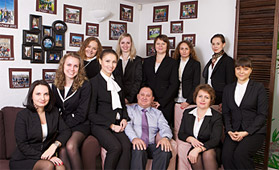
Expert assistance in selecting the right schools for your child in the UK, Switzerland, which have been our main specialization since 1996.
We also help you enter schools where teaching is conducted in English: in the United Arab Emirates, Spain, Austria, Thailand, Canada, and France.
Full support in the admission procedure: preparation for an interview, visits to selected schools accompanied by a Paradise employee.
Assistance in applying to universities in the UK, Switzerland, Canada: writing motivation letters, creating a package of documents, creating the right case for applying for a visa (to avoid rejection).
Leave your phone number, we will call you back soon, answer all your questions and offer an individual program that is suitable for you and your child.