
Professional assistance in selecting a program
Leave your phone number, we will call you back soon, answer all your questions and offer an individual program that is suitable for you and your child.


Phuket Island is known, first of all, as a place for a great holiday with an ancient mysterious culture, bright, unusual, multi-colored nature and breathtaking landscapes.
But few people know that here you can not only relax, but also quite successfully combine business with pleasure. And at a very high level. Since 1997, the British International School, Phuket has been offering quality education for children of all ages. For the youngest children, from 1.5 years old, there is a kindergarten.
About 850 children from different countries of the world, including Russia, study at the school, so the school has Russian-speaking staff who are ready to help the student and his parents. About 50% are foreign students from 44 countries of the world (Korea, China, Japan, European countries). The parents of these children are hotel managers, diplomats, property owners in Thailand.
Ben Turner, education - University of Manchester, BA (with honors); University of Warwick, postgraduate certificate with the right to conduct teaching activities; University of Bath, Master of Arts in Education.
The Early Years Foundation Stage provides education for children aged 18 months to five years. The school offers a separate, safe environment specially created for the youngest students. At the age of three, children move to the Primary School building in the Nursery and Primary classes.
During the initial stage of the Early Years Foundation Stage (EYFS), a large number of play activities are held for the education and development of children. Children have useful experiences, they can explore, discover and create something new, this is a good foundation for future learning.
Activities take place every day, both indoors and outdoors, and touch on different areas of life:
Children's learning is constantly supervised: teachers carefully observe the little ones, set them tasks and help each child make progress in moving to the next stages of development. Learning is based on short themes, such as "Dinosaurs", "Princesses", "Insects" or "Fire trucks". These topics are chosen based on children's interests.
Younger grades and age groups:
Ducklings - minimum 18 months. Children turn 2 years old during the school year.
Frogs/dragonflies - children turn 3 during the school year.
Nursery - children turn 4 during the school year.
Primary School - children turn 5 during the school year.
Daily Routine
8:00-8:15 - Arrival and Registration
8:15-10:10 - Indoor and Outdoor Learning and Activities
8:45 - Self-service, snack bar opens
10:10-10:40 - Outdoor Play with Reception students (ages 4-5) on the large sports field
10:40-11:00 - Whole Group Learning
11:00-11:50 - Indoor Learning and Activities
11:20-12:10 - Lunch in the main building
12:20-14:00 - Some children sleep
12:20-13:00 - Some children join the Reception group for outdoor play on the large sports field
13:00-13:15 - Break and learning for the whole group
14:00-14:15 - Relaxation/socializing/stories
14:15 - Going home (snacks provided)
Good, nutritious food is the key to health. The school canteen offers a varied menu - European and Asian cuisine is available, and there is always a large selection of fruits and vegetables.
The primary school offers a wide range of activities. All primary school teachers and staff organize activities every week to ensure variety. The activities offered change every term. There are paid programs where training is conducted by specialists who specifically visit the school.
Activities offered in elementary school:
Sports
Computer technology
Music and theater
Art
Study
Paid Activities
THB 268,400 - 393,700 per year (full day, cost depends on number of days of study per week).
Included in the cost included
Additionally paid


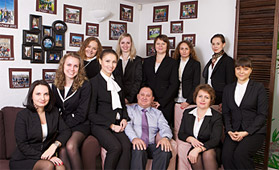
Expert assistance in selecting the right schools for your child in the UK, Switzerland, which have been our main specialization since 1996.
We also help you enter schools where teaching is conducted in English: in the United Arab Emirates, Spain, Austria, Thailand, Canada, and France.
Full support in the admission procedure: preparation for an interview, visits to selected schools accompanied by a Paradise employee.
Assistance in applying to universities in the UK, Switzerland, Canada: writing motivation letters, creating a package of documents, creating the right case for applying for a visa (to avoid rejection).
Leave your phone number, we will call you back soon, answer all your questions and offer an individual program that is suitable for you and your child.